

How to Stop Grinding Your Teeth | Treatment for Bruxism at Ridgetop Dental
Alexandria, United States – February 9, 2026 / Ridgetop Dental /
Summary:
Ridgetop Dental reports that teeth grinding, also known as bruxism, is a common condition that often goes unnoticed until it causes tooth damage, jaw pain, or chronic headaches. Dentists note that stress, bite misalignment, and sleep-related factors are frequent contributors, with many patients unaware they grind their teeth at night. Early identification and targeted treatment can help prevent long-term enamel wear, fractures, and jaw joint complications while improving overall oral comfort and function.
Virginia — Ridgetop Dental is drawing attention to the often-overlooked impact of nighttime teeth grinding, clinically known as bruxism, a condition that affects a significant number of adults and can lead to progressive dental and jaw complications when left unaddressed.
Dental professionals at the practice report that many patients experiencing jaw soreness, chronic headaches, or unexplained tooth wear are unaware that the underlying cause often occurs during sleep.
Bruxism Commonly Develops Without Obvious Symptoms
Nighttime teeth grinding typically occurs outside of conscious awareness, allowing damage to accumulate gradually. Repeated clenching and grinding can place extreme pressure on teeth and jaw muscles, contributing to enamel wear, cracked restorations, and inflammation of the temporomandibular joints.
Because early symptoms are subtle, bruxism is frequently mistaken for sinus issues, stress-related headaches, or general muscle tension rather than a dental condition.
Multiple Factors Contribute to Teeth Grinding During Sleep
According to clinicians at Ridgetop Dental, bruxism is rarely caused by a single issue. Contributing factors often include emotional stress, bite imbalance, airway or sleep-related breathing disruptions, medication side effects, and underlying jaw joint dysfunction.
When these factors overlap, grinding behavior may intensify, increasing the likelihood of tooth damage and persistent discomfort.
Common Dental and Muscular Effects Associated With Bruxism
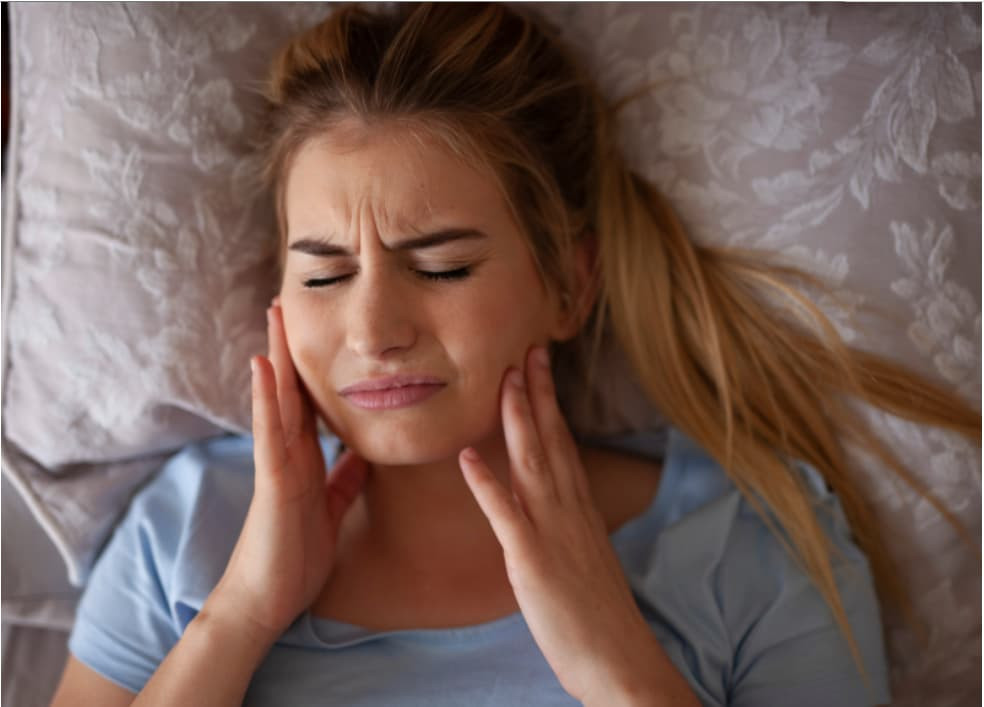
Patients affected by nighttime grinding often present with a consistent pattern of symptoms. These may include generalized tooth sensitivity, flattened or chipped enamel, broken dental restorations, jaw tightness upon waking, facial muscle fatigue, and recurring headaches.
In some cases, patients also experience clicking or popping in the jaw joint, as well as disrupted sleep quality that contributes to daytime fatigue.
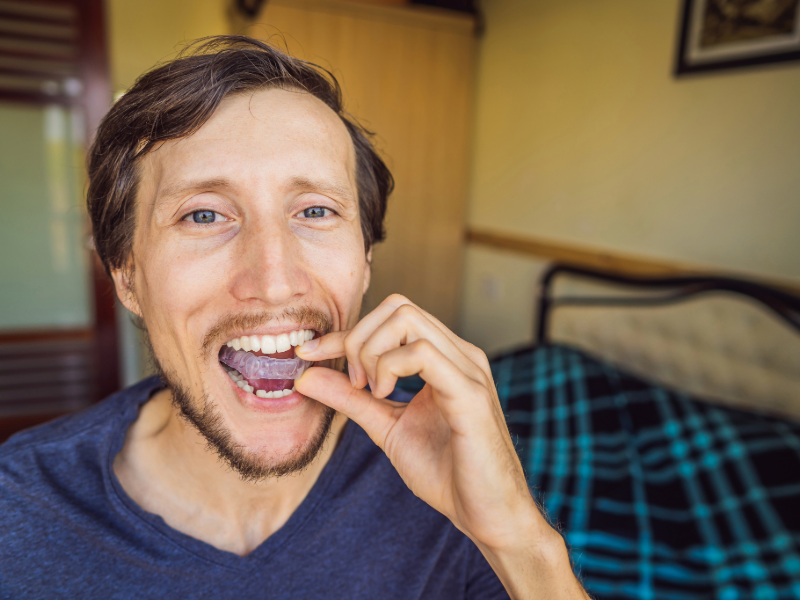
Clinical Evaluation Focuses on Protection and Long-Term Stability
Ridgetop Dental approaches bruxism through comprehensive evaluation rather than symptom suppression alone. Custom-fitted nightguards are commonly recommended to reduce grinding forces, protect enamel, and limit strain on the jaw during sleep.
Unlike over-the-counter devices, professionally fabricated appliances are designed to fit precisely and support proper jaw alignment. When indicated, treatment planning may also address bite alignment, muscle tension patterns, airway considerations, and restorative concerns linked to prolonged grinding.
Untreated Teeth Grinding Can Lead to Progressive Damage
Dental clinicians emphasize that unaddressed bruxism often worsens over time. Long-term effects may include cracked teeth, gum recession, bite changes, chronic jaw inflammation, and increased risk of tooth loss.
Early identification and management are typically straightforward and can prevent the need for more extensive restorative treatment later.
Clinical Perspective on Early Intervention
“Teeth grinding is one of the most common causes of preventable dental damage we see,” said By Dr. Diana Sensenbrenner, DDS with Ridgetop Dental.. “When the condition is identified early, we can reduce discomfort, protect the teeth, and help patients avoid long-term complications.”
The practice reports that many patients also notice improvements in sleep quality and facial tension once grinding is properly managed.
About Ridgetop Dental
Ridgetop Dental provides comprehensive dental care with an emphasis on patient education, preventive services, and long-term oral health. The practice is guided by its TEAM I.M.P.A.C.T. core values, including teamwork, integrity, accountability, trust, and continuous growth, which shape how care is delivered and how patients are supported throughout their treatment experience.
The practice offers a full range of general, restorative, cosmetic, and advanced dental services, using modern technology and personalized treatment planning to address both immediate concerns and underlying oral health needs. Ridgetop Dental focuses on building long-term relationships with patients through clear communication, comfort-first care, and consistent clinical standards across all locations.
Ridgetop Dental is also committed to community engagement and social responsibility, including partnerships that provide access to dental care for underserved children and participation in local health initiatives across Northern Virginia.
Contact:
Ridgetop Dental
Serving Alexandria, Reston, and Sterling, VA
https://ridgetopdental.com

Contact Information:
Ridgetop Dental
6481 Old Beulah St
Alexandria, VA 22315
United States
Datta Malyavantham
(703) 997-6073
https://ridgetopdental.com/alexandria


