

Shenzhen, Guangdong, China – November 17, 2026
Picking out a Wall Plug Adapter might seem like a no-brainer at first glance. But then you travel somewhere and your device’s plug just doesn’t match the socket – that’s when things get tricky. A small adapter might look like it fits, but it could still end up being useless for your gear. The real deal is figuring out where you’ll be using it, what kind of plug you’ve got, and what your device’s electrical specs are. Honestly, it’s the little things that trip you up.Okay, first things first: take a quick look at the label on your charger—or whatever appliance you’re dealing with. You’ll want to check the input voltage, frequency, and power rating. Here’s the catch: a plug adapter just changes the shape of the plug. It doesn’t magically convert voltage for you. So if your device isn’t compatible with the local Power Supply, you’ll probably need a proper voltage converter instead. Please don’t guess on this one. A hair dryer and a phone charger have completely different power demands, so it’s not one-size-fits-all.Another thing you might want to keep an eye on is grounding—some gadgets need a properly grounded outlet, while others are fine with just a two-pin plug. So you’ve got to match the adapter, the device, the socket you’re plugging into, and the ratings they mention. And if you’re planning to charge a bunch of stuff at once, it’s worth checking whether the built-in USB ports can actually deliver the power your devices require. Don’t just go for the cheapest or the tiniest one—look for clear specs and a solid, snug fit. Honestly, loose connections are a total pain, and so is covering up the socket next door. Okay, so this guide is all about helping you compare the key features—and honestly, avoiding some pretty common mistakes folks make when choosing. One thing I really want to stress: product descriptions can be a bit tricky, you know? They’re not always crystal clear. So before you get too excited about a rating, make sure you check it against the actual label on the device and the manufacturer’s instructions. Seriously, just a few minutes of double-checking can save you from a nasty surprise later on. Trust me, it’s worth it.
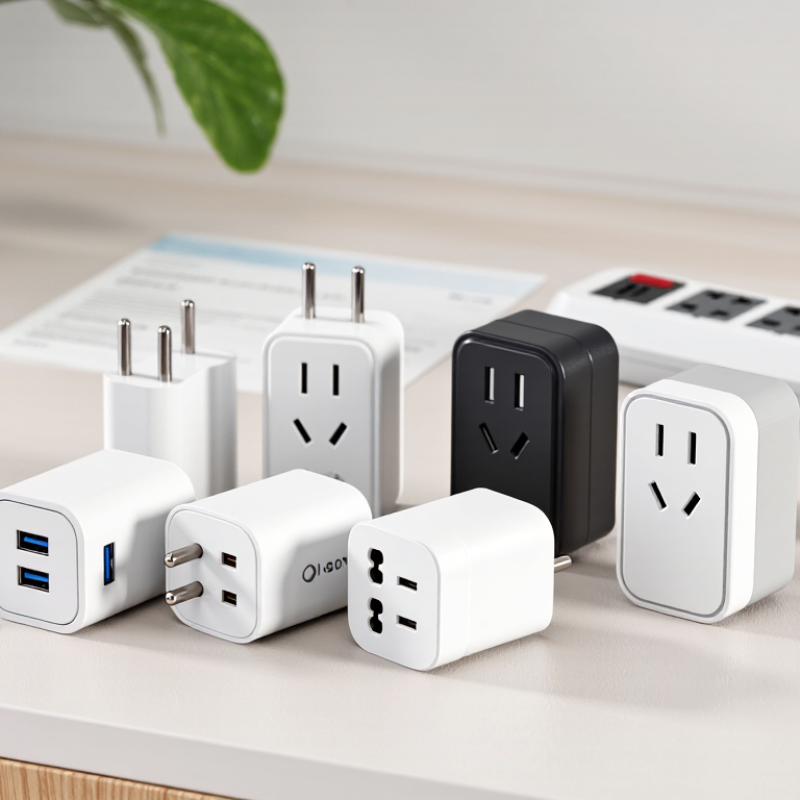 Identify the Plug Type Required by Your Device
Before buying a wall plug adapter, check the plug fitted to your device—not just the destination country. Look at the pins: two round pins, three rectangular pins, or a two-pin polarized plug each need a matching socket. Then inspect the device label for its voltage and frequency. A plug adapter changes the connection shape; it does not convert voltage. IEC 60083 documents national plug and socket systems, showing why “one universal fit” can be misleading.Check the adapter’s rating against the device, especially for hair dryers, kettles, and other high-power appliances. IEC 60884-1:2022 covers household plugs and socket-outlets rated up to 440 V and 32 A; those limits describe the standard’s scope, not a guarantee that every adapter supports them. Match the adapter’s printed voltage and current ratings to the appliance label, and choose a grounded model when the device has a grounding pin. Small detail, big difference. I still double-check the label, because pin shape alone can fool you. Sources: IEC 60083, Plugs and socket-outlets standardized in IEC member countries; IEC 60884-1:2022, General requirements for household plugs and socket-outlets.
How to Choose the Right Wall Plug Adapter? — Identify the Plug Type Required by Your Device
| Plug Type | How to Identify It | Common Destinations | Grounding | Adapter Selection Tip |
|---|---|---|---|---|
| Type A | Two flat, parallel pins | United States, Canada, Japan, and parts of Central America | Usually ungrounded | Check whether the device plug has only two pins. Some Japanese and North American sockets differ in polarity or acceptance. |
| Type B | Two flat, parallel pins and one round grounding pin | United States, Canada, Japan, and parts of Central America | Grounded | Choose an adapter with a matching grounding connection if the device has the third pin. |
| Type C | Two round pins | Many countries in continental Europe, as well as parts of Asia and Africa | Usually ungrounded | Confirm that the destination socket accepts the pin spacing and diameter; socket standards vary by country. |
| Type D | Three round pins arranged in a triangle | India, Nepal, and some neighboring areas | Grounded | Use an adapter specifically compatible with Type D sockets; do not assume a Type C adapter will fit. |
| Type E | Two round pins; the socket provides a projecting earth pin | France, Belgium, Poland, and several other European countries | Grounded | Many Type E sockets also accept compatible Type F plugs, but check the adapter’s stated compatibility. |
| Type F | Two round pins with grounding clips on the sides | Germany, Austria, the Netherlands, and many other European countries | Grounded | Look for an adapter that supports Type F grounding; compatible Type E/F designs are common. |
| Type G | Three rectangular pins in a triangular arrangement | United Kingdom, Ireland, Malta, Singapore, and several other destinations | Grounded | Match the three rectangular pins. Type G sockets commonly include shutters, so the adapter must be designed for them. |
| Type I | Two angled flat pins, sometimes with a third grounding pin | Australia, New Zealand, China, and Argentina | Grounding depends on the plug | Check the exact pin arrangement and destination requirements; versions and electrical standards can differ. |
| Type J | Three round pins, with the grounding pin offset from the two power pins | Switzerland and Liechtenstein | Grounded | Choose a Swiss-compatible adapter. A two-pin Type C plug may fit some Type J sockets, but this does not provide grounding. |
| Type K | Two round pins and a separate grounding pin | Denmark and Greenland | Grounded | Check for Type K compatibility, particularly when the device requires an earth connection. |
| Type L | Three round pins in a straight line | Italy and parts of Chile | Grounded | Type L plugs come in different pin sizes; confirm that the adapter matches the device plug and destination socket. |
| Type M | Three large round pins in a triangular arrangement | South Africa and some other countries | Grounded | Do not confuse it with Type D: Type M uses larger pins and requires a compatible adapter. |
| Type N | Three round pins in a triangular arrangement | Brazil and South Africa | Grounded | Check the destination socket and pin size; Type N compatibility does not guarantee compatibility with other plug types. |
| Important: A plug adapter changes the plug’s physical shape; it does not convert voltage or frequency. Before plugging in a device, check its input label. If it does not support the local voltage and frequency, a suitable voltage converter may be required. |
Check the Outlet Standard in Your Destination
Before packing a wall plug adapter, check the exact outlet standard used at your destination. The International Electrotechnical Commission’s IEC 60083 publication documents national plug and socket-outlet systems, showing why one adapter cannot fit everywhere. Compare your device’s plug shape with a reliable destination guide, then confirm the socket type with your hotel or host. A country may use more than one outlet style. Check the specific location, not just the country name.
Fit is not voltage. Read the small input label on each charger: it may list a range such as 100–240 V and 50/60 Hz. If the destination’s supply falls outside that range, a simple adapter will not convert the voltage. That distinction is easy to miss when buying a Usb Wall Plug for a trip. I admit, tiny diagrams can be confusing; compare the pins and grounding contact carefully. Also check whether the adapter supports the device’s plug and required rating. IEC 60083 is a technical reference, not a guarantee that every building has the same sockets. Older rooms and renovated properties can differ. Verify before you travel.
Compare Voltage and Frequency CompatibilityHow to Choose the Right Wall Plug Adapter?Compare Voltage and Frequency Compatibility
A wall plug adapter changes the shape of a plug, not the electricity supplied to your device. Check the device label before packing: it may list an input range such as 100–240 V and 50/60 Hz. If your destination’s voltage falls outside that range, a simple adapter will not make the device safe to use. You may need a properly rated voltage converter, or a different device. Small print matters. It is easy to overlook.
Frequency deserves attention too. Many electronic chargers accept both 50 Hz and 60 Hz, while some clocks, fans, or appliances with motors may behave differently on another frequency. Check the manual when the label is unclear. For a Usb C Wall Plug, read its input rating; the USB-C connector alone does not confirm compatibility. Also check that its output supports your device’s charging needs. A practical habit is to compare the printed ratings side by side, then inspect the adapter for secure fit and grounding where required. I might still miss a tiny label in dim light, so a quick photo can help.
Calculate the Adapter’s Power Capacity
Check the appliance label before choosing a wall plug adapter. Find its input voltage and power rating, usually shown in watts. If only volts and amps are listed, multiply them to estimate power: 120 volts × 2 amps equals 240 watts. Use the appliance’s input figures, not its output rating.
Small detail, but it matters. A plug adapter changes the plug shape; it does not necessarily convert voltage. Confirm that the appliance can operate at the voltage available at your destination.
Compare the appliance’s power with the adapter’s maximum rating, and leave some headroom rather than running close to the limit. If you plan to connect several devices, add their wattages together. A hair dryer and phone charger can quickly exceed a small adapter’s capacity. Motors and heating devices may also draw extra power briefly when switched on, so check their instructions or rated requirements.
I still find labels easy to misread, especially when they list several voltage ranges. If the rating is unclear, don’t guess; use a suitable voltage converter or ask a qualified electrical professional.
Stop using an adapter that becomes unusually hot, smells, or feels loose.
Verify Safety Certifications and Build Quality
Before buying a Wall Plug Type adapter, check that its safety markings match the country where you will use it. Look for a recognized certification mark, model number, and supplier details. When possible, confirm the listing in the certifier’s public database; a printed logo alone is not proof. This takes a minute. It matters. Requirements differ by market, so do not assume one approval applies everywhere. Check the rated voltage and current against your device and power supply. A matching plug shape does not guarantee electrical compatibility.
Build quality deserves a close look. The pins should be straight and firmly fixed, with no rocking or sharp edges. Seams should be even, and the casing should resist light pressure without flexing. Check for loose parts, rattling, discoloration, or a strong chemical odor. Small clues count. Compare any overload or temperature rating on the packaging with the product label. Avoid adapters with vague specifications or missing instructions. A heavier body is not automatically safer; internal design matters more than weight. A polished finish can still conceal weak documentation, so trust verifiable details over appearance.
Choose Additional Features for Your Travel Needs
The right travel Wall Adapter depends on more than the shape of its plug. Think about what you will charge each day: a phone, a camera, or a laptop. A compact model with USB-C Power Delivery can reduce cable clutter, while several ports may help when outlets are scarce. Check the adapter’s total output, not just the rating of one port. Some models share power across ports, so charging speeds can drop when several devices are connected. Also check your device’s voltage range. A plug adapter changes the connection shape; it does not automatically convert voltage.Tips: Before packing, list your devices and their charging requirements. Look for clearly stated output ratings and a secure fit for your destination’s outlet. If you use grounded equipment, confirm the adapter supports grounding. A small status light can be useful in a dim hotel room, but it is not essential.Extra features should solve a real travel problem. Foldable pins can protect a bag’s lining, and a built-in fuse may offer added protection against certain electrical faults. Neither replaces careful use or a suitable power source. A short cable can keep a phone off the floor, though it adds bulk. It is easy to overvalue a long feature list; the best choice may be the simpler adapter that fits your devices, outlets, and luggage.
How to Choose the Right Wall Plug Adapter: USB-C Charging Power
If fast charging is an important travel feature, check the USB Power Delivery (USB PD) version supported by both the adapter and your device.
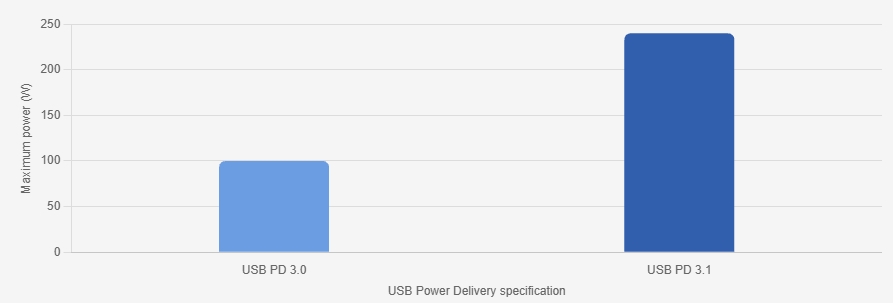
These are specification maximums, not guaranteed adapter outputs. Actual charging power depends on the adapter, cable, and connected device. Check their stated ratings before you travel.
50.4W Interchangeable-Plug Medical Power Supplies: Market Trends from Fortune Business Insights’ Industry Report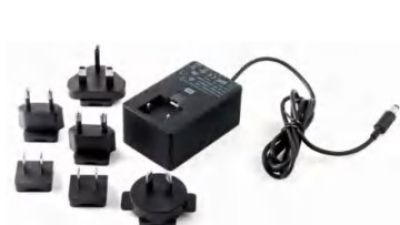
50.4W Series Medical Power Supplies Interchangeable plug type
The market for interchangeable-plug medical power supplies is shaped by demand for dependable power, flexible deployment, and designs that can support a range of medical devices. As healthcare equipment is used across clinics, care facilities, and home settings, manufacturers increasingly value power supplies that are easy to configure for different regions and applications. In the 50.4W segment, buyers may look for a balance of output capacity, compact form, and consistent performance, while safety and reliability remain essential considerations.Interchangeable-plug models can simplify product configuration by allowing a compatible power supply to be paired with different plug options. This approach can help equipment makers serve varied markets without relying on a separate power-supply design for every location. A well-engineered unit should provide stable power and dependable operation, with quality controls suited to the needs of medical equipment. Selection should also take account of the device’s power requirements and the relevant technical specifications.We design and manufacture safe, reliable power supplies, including medical interchangeable-plug models in 24W and 50.4W series, as well as other configurations. These options give equipment developers flexibility when matching a power solution to their product’s requirements. As demand for adaptable medical power solutions continues, clear specifications, consistent quality, and practical plug options can help suppliers meet the needs of a changing market.
Conclusion
Choosing the right Wall Plug Adapter starts with identifying the plug shape your device uses and checking the outlet standard at your destination. An adapter changes the physical connection, but it does not necessarily convert electricity. Before you travel, compare your device’s voltage and frequency requirements with the local supply, and determine whether a separate voltage converter is needed.Next, check the adapter’s power capacity to make sure it can safely support the devices you plan to connect. Review its safety certifications and build quality, including the firmness of its connections and the durability of its casing. Finally, consider features that suit your trip, such as multiple ports, USB charging, a compact design, or compatibility with several outlet types. A careful check of these details can help you choose an adapter that fits your devices and travel needs.
About Us
ELITE POWER, It is a subsidiary of GRACE DEVELOPERS CO., LIMITED. We have branches in Hong Kong, Shenzhen and Dongguan, China. As a new energy production enterprise integrating scientific research, design, manufacturing and sales, we focus on intelligent green new energy storage solutions. Our products include household energy storage systems, industrial and commercial energy storage cabinets, energy storage containers, super capacitor jump starters, portable power stations, truck lithium batteries, furniture batteries, and so on.
Media Contact
Company Name: Elite Power New Energy (Hong Kong) Co., Limited
Contact Person: Media Relations
Email: Send Email
Country: China
Website: https://www.hkelitepower.com/
Press Release Distributed by ABNewswire.com
To view the original version on ABNewswire visit: Essential Global Travel Guide Identifies Critical Factors for Selecting Compatible Wall Plug Adapters
