

Creativity // Shutterstock
What healthy aging really looks like in 2026
Age is just a number, or so people like to say. While the line carries a little comfort, few people are asking for extra birthdays if those years make it harder to get out of a chair or keep the routines that make a day feel normal.
Most people want enough strength to move through ordinary tasks and enough mental sharpness to keep making their own decisions. And those hopes are helping push the concept of healthspan into the center of healthy aging research, while also changing what people expect from the wellness information they choose to trust.
One definition of healthspan is the “period of life spent in good health, free from the chronic diseases and disabilities of aging.” As more people look for guidance they can use in daily life, companies working within evidence-based wellness are focusing on advice built around mobility and daily function, rather than anti-aging promises.
As NutraBio explains below, the benefits of healthy aging extend beyond personal goals, since longer lives ask more from families and from the systems built to support them.
Why Healthy Aging Is Becoming a Public Health Priority
Humans are living longer than ever, and the sheer number of people growing old at once is reshaping how governments and health systems plan for the years ahead.
The World Health Organization projects that 1 in 6 people worldwide will be age 60 or older by 2030, with the global 60-plus population rising to 1.4 billion. The United States will reach its own milestone by 2034, the first year on record when adults over 65 will outnumber children under 18.
But while longer lives reflect real progress, researchers who study healthy aging have found that extra years have not brought strong health for everyone. Many older adults now spend later decades managing chronic conditions that make daily tasks harder to do without help.
And those limits often appear inside homes first, then move into hospitals and primary care offices when needs become too complex to manage alone. Health researchers point to this strain as the reason to focus on delaying decline before it takes away the independence people are trying to keep.
Healthspan vs. Lifespan: What’s the Difference?
Researchers who study aging tend to separate two ideas that most people treat as one. Lifespan counts the total years a person is alive, and healthspan counts only the years spent in good health, free of chronic illness and major disability. The space between those two figures is where most of the hardship sits, and it runs close to ten years in many wealthy countries.
Federal and World Health Organization estimates put the average American’s healthy years near 66, well short of a lifespan that now stretches past 77. And those lost years are exactly what worries Tim Peterson, who runs a startup focused on healthy aging. He told Time in 2023 that living to 100 loses its appeal if the last 30 are spent in poor health.
Mayo Clinic regenerative medicine specialist Andre Terzic has made a similar point in the Time article, noting that longer life can carry a cost when more years do not come with better health. That is why scientists have started favoring healthspan as the sharper measure, since it looks at the daily function people are trying to keep.
The Daily Habits Consistently Linked to Healthy Aging
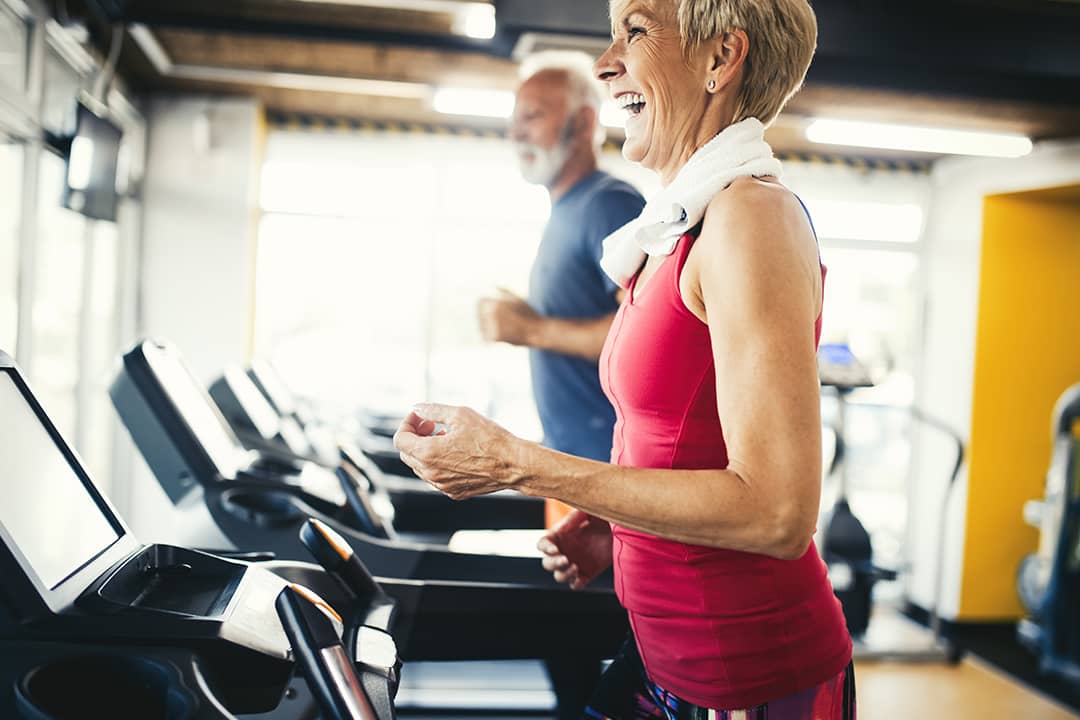
After age 60, muscle strength often starts to fall faster than people expect, so researchers place movement near the center of any serious discussion about healthy aging.
Exercise physiologist Stacy Sims, speaking at Stanford’s Healthy Aging 2026 conference, pointed to the larger stakes, noting that building muscle later in life can support heart health and brain function. And that link between the body and the brain runs through sleep as well, since the deep hours of rest open a drainage system that clears out the waste tied to memory loss.
But a mind worn down by poor sleep struggles to hold off the same stress that keeps blood pressure high and slowly weakens the body’s defenses against infection. And all of that strain grows heavier when people carry it alone, which is where researchers have found the greatest danger of all.
Steven Crane, sharing national survey data at the same conference, reported that 41% of Americans feel lonely at least sometimes. He described social connection as a biological necessity rather than a comfort, tied directly to how long and how well a person lives. While none of these habits are expensive or new, the research keeps making them harder to dismiss.
Why Nutrition Remains a Cornerstone of Longevity
Aging changes so much of how the body handles daily life, and digestion is one part that many people overlook.
Older bodies do not absorb and use nutrients as efficiently, so eating at 70 the way a person ate at 40 can leave them short on what keeps muscle and daily function in place. Protein moves closer to the center here; aging muscle responds less efficiently to a meal and needs steadier support to stay strong.
Researchers studying longevity and sarcopenia have spent years returning to meals built around vegetables, beans, whole grains, and fish rather than any single miracle food. And that research also helps explain why nutrition holds up best as a daily practice instead of a short burst of discipline.
Healthy food choices made often enough, and long enough, tend to shape later life in ways people only fully recognize once strength and recovery start to slip.
The Rise of Personalized Preventive Health
Technology has come a long way from where it began, and a wristband that used to count steps now maps sleep stages and flags an irregular heartbeat before a person feels a thing. Cardiologist Matthew Tomey of Mount Sinai calls these tools a source of more data, with the real question being how people read it and the context they put it in.
Blood testing has followed the same path, and lower prices now let people order their own lab panels online and track markers like inflammation and blood sugar over time. But Tomey cautions that chasing every small change can breed anxiety and push people toward tests they never needed.
More data has not yet proven to make most people healthier, and the numbers earn their keep only when they lead back to the ordinary habits already known to work.
Healthy Aging In the Workplace
Retirement no longer marks the same clean break from working life that many employers once anticipated. Bureau of Labor Statistics figures put workers 55 and older at 23.2% of the American workforce in 2026, close to a quarter of all U.S. employees.
John Rowe, a geriatrician and professor of health policy at Columbia University, recently noted that older adults make up about 14% of the population while accounting for roughly half of all healthcare spending. And employers often carry much of that cost directly.
Harvard aging researcher David Sinclair and economists writing in Nature Aging calculated that a single added year of healthy life expectancy is worth $38 trillion to the economy.
Aging Well Is Built on Everyday Decisions
Everyone grows old, though how a person gets there is the part science has learned to influence. Longevity research is moving away from the search for a cure for old age and toward the biology of preservation: the work of keeping muscle from wasting and brain cells talking to one another deep into later life.
Nathan LeBrasseur, who directs the Kogod Center on Aging at the Mayo Clinic, notes that despite the long search for a magic pill, it is physical activity and daily nutrition that shape how well people age. And Stanford professor Rachele Pojednic reached the same conclusion at the school’s Healthy Aging conference, saying there are no magic bullets and that health has to be looked at as a whole system.
How a person eats, moves, and rests throughout their 40s and 50s often determines how freely they live in their senior years.
This story was produced by NutraBio and reviewed and distributed by Stacker.

