
How to Prepare Concrete Floor for Painting
Orlando, United States – January 27, 2026 / Xano521 Concrete Coatings /
Prepping concrete for paint follows a simple professional order designed to prevent peeling and help the finish last: clean thoroughly, create a bondable texture (etch or mechanically roughen), repair weak areas, apply primer, then choose a topcoat that matches how the floor will be used. The blog explains that paint failures usually trace back to predictable issues—contamination left in the slab, a surface that’s too smooth to grip, crumbly weak spots underneath, or moisture/residue trapped below the coating. The solution is sticking to the sequence so you’re building adhesion instead of just adding color.
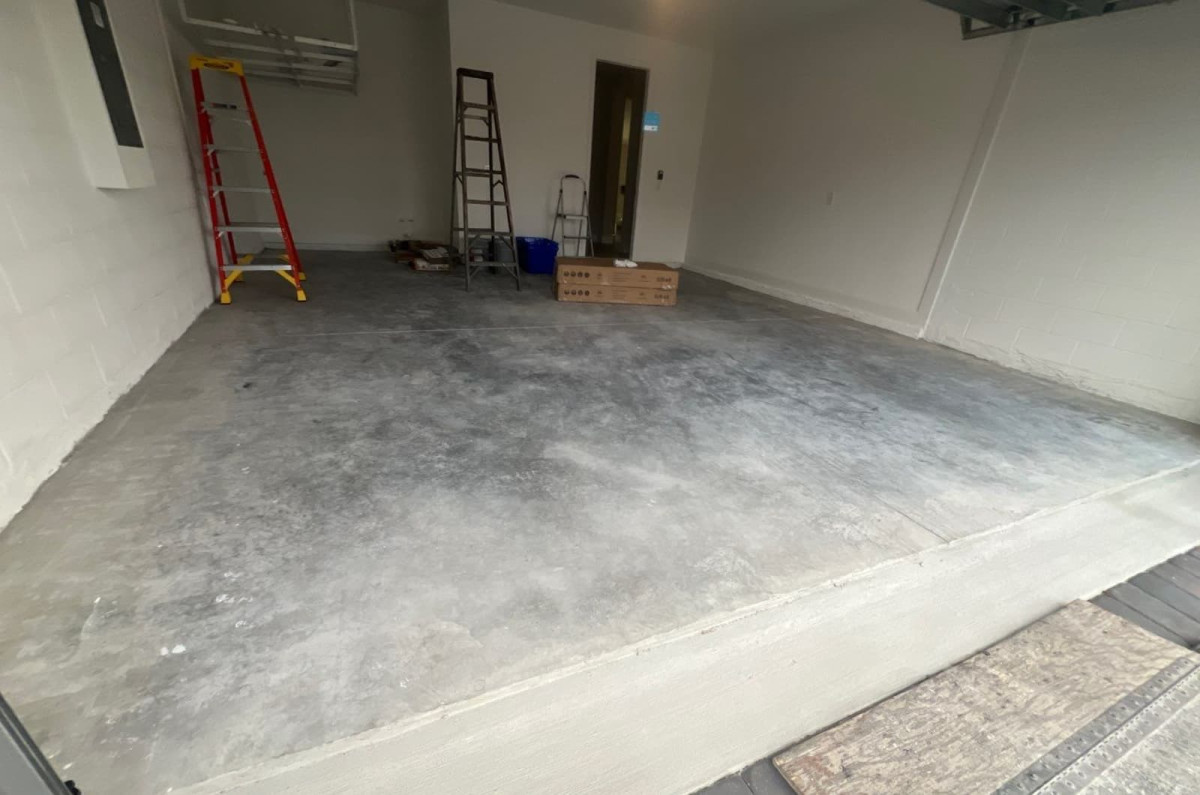
Cleaning is the first step and it has to be more than sweeping. Concrete can hold oils, grime, and invisible residue that keeps paint from bonding, so the recommended method is degrease-and-rinse: apply a degreaser (especially important for garages), then rinse the entire surface thoroughly so cleaner and dirt don’t remain. While cleaning, the blog suggests watching for glossy areas, dark stains, and dusty or powdery spots that signal problems to address.
Next comes etching or profiling to create a “grippy” surface. Because concrete is relatively smooth, paint needs texture for long-term adhesion. A typical flow is to test an etching solution in an out-of-the-way spot, apply it evenly across the slab for the recommended time, clean and neutralize as needed, let it dry, then confirm the surface feels consistently like sandpaper—without slick patches or leftover residue.
Repairs come before coating because paint can’t stabilize failing concrete. Cracks, loose particles, and weak layers can crumble and take the finish with them. Primer is described as essential on concrete: it helps prevent pinholes or a crumbly top layer, evens out the etched surface, reduces blotchiness, and keeps concrete from dulling light colors. Primer must be allowed to cure for the recommended time before painting.
For the top layer, the blog notes the “right” choice depends on use. Epoxy paint may appeal as a budget-friendly quick fix, but it can absorb stains, be vulnerable to corrosion and impacts, and break down sooner than expected. For longer-lasting results in busy or high-traffic spaces, a professional coating system can provide a smooth, level, blemish-free finish, often with warranties. DIY can work for smaller projects if each step is done carefully, but pros tend to deliver more consistent prep and outcomes. Maintenance is simple: sweep, mop with mild soap and water, wipe spills quickly, and avoid dragging heavy items.

Contact Information:
Xano521 Concrete Coatings
Orlando, FL
United States
Jay Bryant
(407) 613-2434
https://xano521concretecoatings.com/

Original Source: https://xano521concretecoatings.com/how-to-prepare-concrete-floor-for-painting/
