
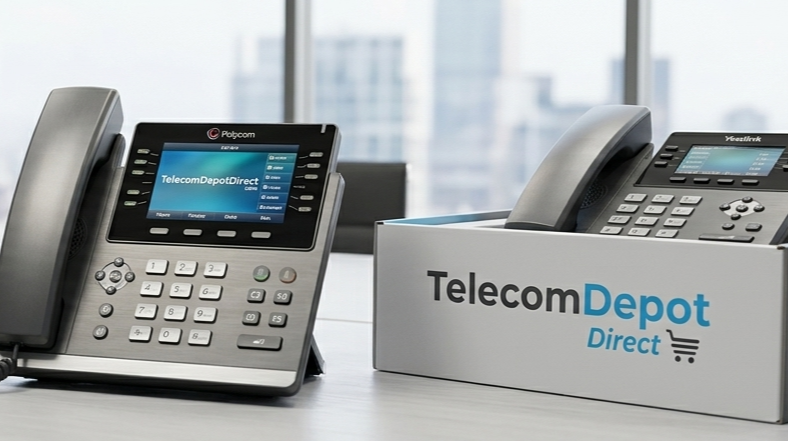
The Real Cost Of Business Phone Equipment
Business phone costs can add up fast, especially when you factor in hardware, installation, and maintenance. For many companies, the biggest expense isn’t the monthly phone bill — it’s the upfront cost of the equipment itself. That’s why more businesses are looking closely at refurbished VoIP phones as a practical way to cut costs without cutting corners.
Refurbished VoIP phones are pre-owned devices that have been professionally inspected, repaired if needed, tested, and reset to factory settings before being resold. Reputable suppliers of refurbished business phone systems typically offer a warranty on every unit, which helps address concerns about reliability. The result is equipment that performs like new but costs significantly less.
What The Numbers Say
The numbers behind VoIP adoption are hard to ignore. The global VoIP market was valued at over $144 billion in 2024 and is projected to grow at around 10.8% annually through 2032, according to Fortune Business Insights data. Research consistently shows that certified refurbished IT equipment can cost up to 70% less than comparable new devices, making it an increasingly appealing choice for budget-conscious organizations.
Not All Refurbished Is The Same
Not all refurbished equipment is the same. Certified or manufacturer-grade refurbished products go through a thorough reconditioning process, which typically includes component testing, firmware updates, data erasure, and physical restoration. Devices graded as Grade A are generally indistinguishable from new in both performance and appearance, and most reputable suppliers will explain exactly what their process involves.
Access To Legacy Hardware
One overlooked advantage of refurbished VoIP phones is access to legacy hardware. If your organization relies on specific models from brands like Nortel or Avaya, finding compatible replacement units through new channels can be surprisingly difficult. Refurbished suppliers often carry discontinued models no longer available in standard retail, which is a practical advantage for businesses managing older or mixed infrastructure.
The Warranty Question
Warranties are worth paying close attention to. A reputable refurbished supplier should back their products with at least a 12-month warranty, which brings the risk level much closer to buying new. If a supplier can’t offer this, that’s a reasonable red flag. Covered equipment gives your IT team a fallback if a unit develops a fault, removing much of the uncertainty around pre-owned hardware.
Check Compatibility First
It’s also worth thinking about compatibility before you buy. Refurbished VoIP phones need to work with your existing phone system or cloud-based PBX platform. Most phones from established brands like Cisco, Avaya, or Yealink support open SIP protocols, making them broadly compatible. That said, it’s always worth confirming this with your VoIP provider before placing a large order.
Cross-border purchasing is another factor worth keeping in mind. Sourcing phones from US suppliers can introduce foreign exchange fluctuations, brokerage fees, and customs delays that add to the final cost in ways that aren’t always obvious upfront. Working with a Canadian supplier helps make the total cost of ownership more predictable, and speeds up delivery considerably.
Making The Switch
Switching to refurbished VoIP phones won’t suit every business, but for organizations looking to modernize their communications without a large capital outlay, it’s a genuinely strong option. The key is choosing a supplier with a clear refurbishment process, a solid warranty, and transparent pricing — when those boxes are ticked, certified refurbished VoIP equipment can deliver reliable performance at a price that makes practical sense.
Telecom Depot Direct
info@telecomdepotdirect.com
+1 514 360 1809
9315 Route Transcanadienne
Montréal
QC
H4S 1V3
Canada
