
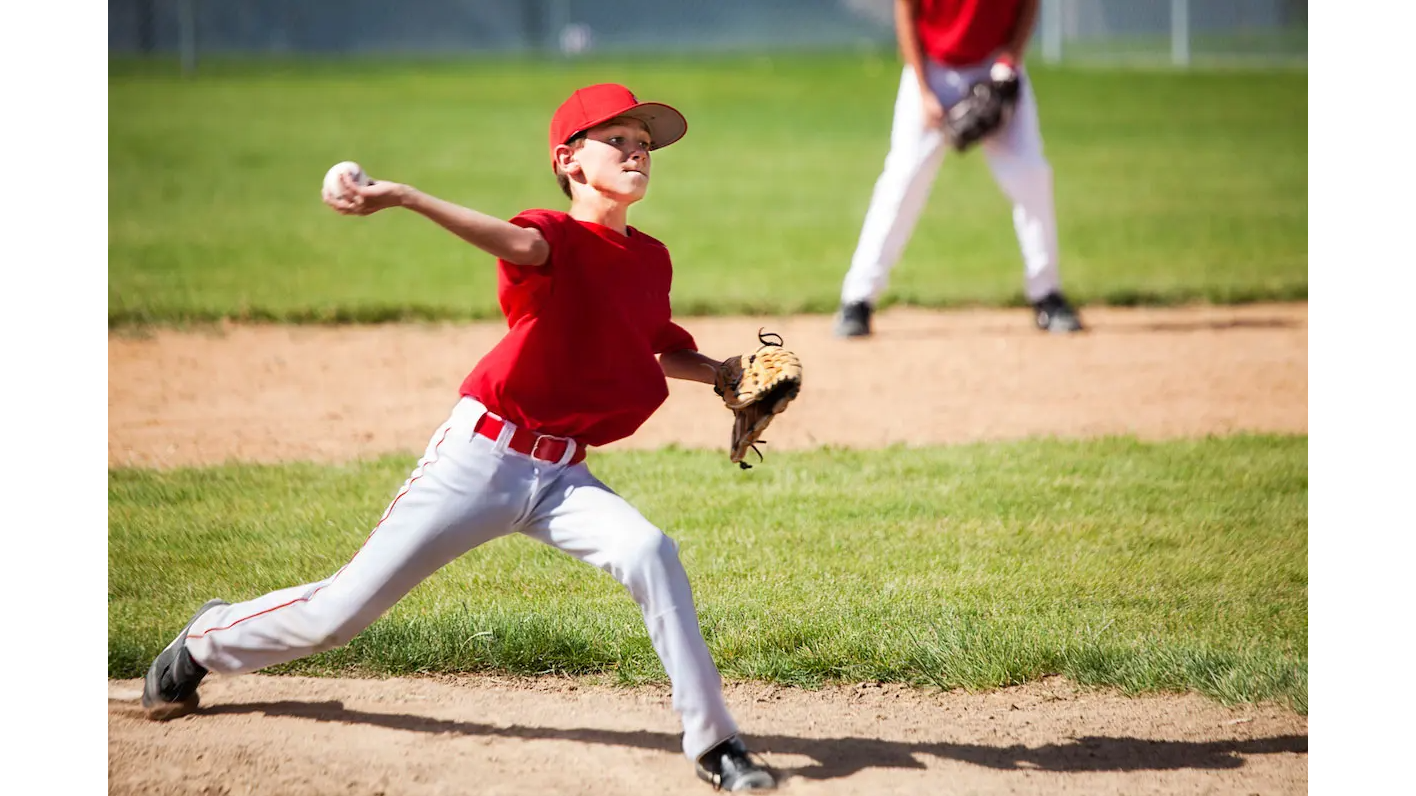
If you’re a parent or coach of a young pitcher, you’ve likely been told to rely on pitch counts to protect arm health. While pitch limits remain an important safeguard, many families are finding that the number alone doesn’t fully explain why a player still experiences arm soreness, fatigue or performance inconsistency during the season.
That’s why experts in youth pitching development now recommend a broader, readiness-based approach designed to help coaches, families and young players make more informed decisions without adding unnecessary stress or complexity.
Why Pitch Counts Don’t Tell the Whole Story
Pitch counts focus only on in-game throws, but a young athlete’s arm experiences far more total workload than that single number reflects.
Workload can also include:
- Bullpen sessions
- Warm-up throws before games
- Defensive plays between innings
- Showcase events and extra training
- Multiple games across condensed tournament schedules
On top of this, adolescent growth phases can temporarily affect coordination, mechanics, recovery speed and perceived arm stress. This means two pitchers with identical pitch counts may feel and perform very differently the following day.
If your child has ever stayed within recommended limits but still complained of unusual soreness or fatigue, hidden workload is often the missing piece.
Understanding Hidden Workload
Hidden workload refers to the accumulated physical stress that isn’t captured in official pitch totals. Frequent throwing, overlapping team commitments and limited recovery time can quietly build fatigue over days or weeks.
Without recognizing this buildup, it becomes difficult to decide when your athlete needs:
- Additional rest
- A lighter throwing schedule
- Normal workload maintenance
Looking beyond pitch counts can help you understand why one player recovers quickly while another experiences lingering soreness, even when their game usage appears similar.
Using a Readiness-Based Approach
That’s why some big names in pitching education are now advocating for a readiness-based model; one that will help you evaluate pitching decisions using context rather than rules alone. Instead of asking only, “Did they stay under the limit?”, you can consider additional factors like:
- How much total throwing they’ve done recently
- How well they’ve recovered between outings
- Whether a growth spurt is affecting coordination or mechanics
- Signs of unusual fatigue or reduced velocity
This approach also reinforces several important principles:
- Workload is not the same as pitch count
- Post-game soreness does not automatically mean injury
- Recovery timelines vary during development
- Decision-making improves when you consider patterns, not single events
By focusing on readiness, you can make calmer, more consistent choices across a long and unpredictable season.
Practical Tools For Making Better Pitching Decisions
If you’re not sure where to begin, there are now a wealth of simple tracking and visual tools available that can make workload and recovery patterns easier to interpret and that are designed to reduce guesswork and help you decide when young pitchers should rest, when to maintain activity, and when adjustments may support more consistent recovery.
Supporting Long-Term Arm Health
Youth pitching decisions don’t have to rely on a single metric. By viewing pitch counts as one part of a larger workload picture, you can better support both performance and long-term arm health. A readiness-based perspective gives you clearer context, steadier decision-making, and a more balanced approach to development throughout the season.
VeloRESET
8930 North 6th Street
Fresno
CA
93720
United States
